

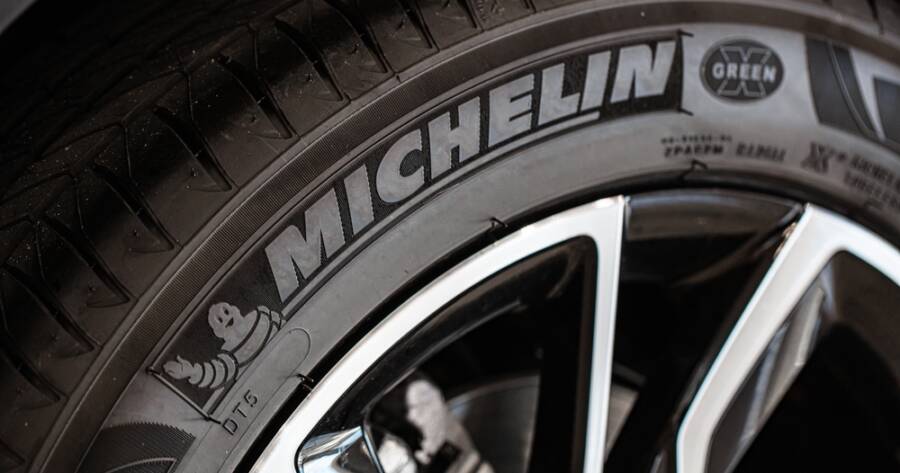
Smart tire shoppers know that premium brands like Michelin don’t always come with premium price tags. Industry insiders have long benefited from strategic timing and dealer inventory cycles, but the same opportunities exist for everyday consumers who understand how tire pricing actually works behind the scenes.
Understanding How Tire Pricing Really Works
The tire industry operates on a pricing model that most consumers never see. Dealers regularly receive manufacturer and distributor specials that can significantly reduce their acquisition costs. According to industry analysis, dealers can save an additional $5 per tire when purchasing 100 units through these special programs, adding $500 directly to their bottom line (source). This creates a pricing environment where the same tire might be available at vastly different price points depending on when and where it’s purchased.
The most successful tire retailers understand that timing matters. Dealers who strategically purchase during manufacturer special periods and maintain proper inventory levels have historically generated higher profits by blending discounted inventory into their regular sales mix (source). This practice creates opportunities for consumers who know when to look for these deals.
The Reality of Michelin Tire Discounts
Michelin, as one of the most respected tire manufacturers globally, regularly offers legitimate discount programs through authorized channels. The company maintains an official deals and promotions page where current rebate opportunities are listed directly from the manufacturer (source). These aren’t questionable third-party offers but genuine manufacturer-backed savings opportunities.
What makes these programs particularly valuable is their direct connection to Michelin’s own distribution network. Unlike generic clearance events that might feature off-brand or discontinued products, Michelin’s promotional programs typically include current tire lines that meet the same quality standards consumers expect from the brand. This distinction matters because it means shoppers aren’t sacrificing performance or safety to access lower prices.
Strategic Timing and Dealer Inventory Cycles
Tire dealers face constant pressure to manage inventory efficiently. When new tire models arrive, or seasonal changeovers occur, existing stock needs to move to make room for incoming products. Industry data shows that buying specials from manufacturers can result in more than $3,000 in additional annual profit when dealers time their purchases strategically (source).
This inventory dynamic creates predictable windows where premium tires become available at reduced prices. Dealers who have stocked up during manufacturer specials often pass along portions of these savings to move inventory, particularly when new model years approach or when seasonal demand shifts. The key for consumers is recognizing that these aren’t damaged or defective products—they’re simply part of normal business cycles.
Common Pricing Mistakes That Benefit Consumers
The tire retail market isn’t always perfectly efficient. Many dealers operate using outdated pricing information, which can work in favor of informed consumers. Industry experts note that some dealers may price tires too low based on old data, effectively leaving money on the table, while others price too high and lose potential sales (source).
This pricing inconsistency means that identical Michelin tires can vary significantly in cost across different retailers, even within the same geographic area. The variation isn’t necessarily related to service quality or installation expertise—it often simply reflects different approaches to pricing strategy and inventory management. Consumers who compare prices across multiple authorized dealers frequently discover substantial differences that can translate to hundreds of dollars in savings on a full set of tires.
Identifying Legitimate Discount Opportunities
Not all tire deals offer equal value, and distinguishing between genuine savings and marketing gimmicks requires understanding what to look for. Legitimate Michelin discount programs are typically advertised through authorized dealer networks and documented on the manufacturer’s official channels. The Michelin website serves as the authoritative source for confirming current promotional offers and rebate programs (source).
Genuine clearance opportunities on Michelin tires usually involve recent production dates (source). These tires haven’t been sitting in storage for years—they’re simply part of normal inventory rotation. The savings come from business efficiency rather than product compromise, which is why informed consumers can access premium tire quality at substantially reduced prices without accepting any reduction in safety or performance.
Maximizing Value Beyond Initial Purchase Price
The true cost of tire ownership extends beyond the checkout price. Premium tires typically offer longer tread life, better fuel efficiency, and enhanced safety characteristics compared to budget alternatives (source). When purchased at discounted prices through legitimate promotional channels, these benefits become available without the typical premium price tag.
Dealers who have purchased inventory during manufacturer special periods often have flexibility in their pricing that benefits cost-conscious consumers. The margins built into regular retail pricing mean that even with substantial discounts, retailers can maintain profitability while offering genuine value to customers. This creates a scenario where both parties benefit—dealers move inventory efficiently, and consumers access quality products at competitive prices.
How to Find Clearance and Discounted Tires
Finding discounted tires often requires comparing several retailers rather than relying on one advertised price. Check manufacturer and tire-retailer websites for rebates, seasonal promotions, closeout inventory, and discounts on sets of four. Consumer Reports also recommends planning for replacement before tires become an urgent purchase, giving shoppers more time to watch for sales and compare offers. (source).
When comparing Michelin or other premium tires, look at the total installed cost, including mounting, balancing, disposal fees, and other charges. Shoppers can also ask local retailers about price matching or available promotions. Clearance inventory varies, so verify that any discounted tire is the correct size and specification for the vehicle before purchasing.
Why You Should Learn More About Discount Tire Opportunities Today
Understanding how tire pricing works in the retail market empowers consumers to make informed decisions that can result in significant savings. The tire industry’s reliance on promotional cycles, manufacturer specials, and inventory management creates regular opportunities for smart shoppers to access premium products like Michelin tires at reduced prices. These aren’t limited-time tricks or suspicious clearance events—they’re fundamental aspects of how the tire business operates.
Dealers benefit from strategic purchasing and inventory turnover, and consumers who understand these dynamics can time their tire purchases to coincide with the most favorable pricing periods. The difference between paying full retail and accessing legitimate discount opportunities can easily amount to several hundred dollars on a set of four tires, making this knowledge valuable for anyone who drives regularly and wants to maximize their automotive budget without compromising on safety or performance.